


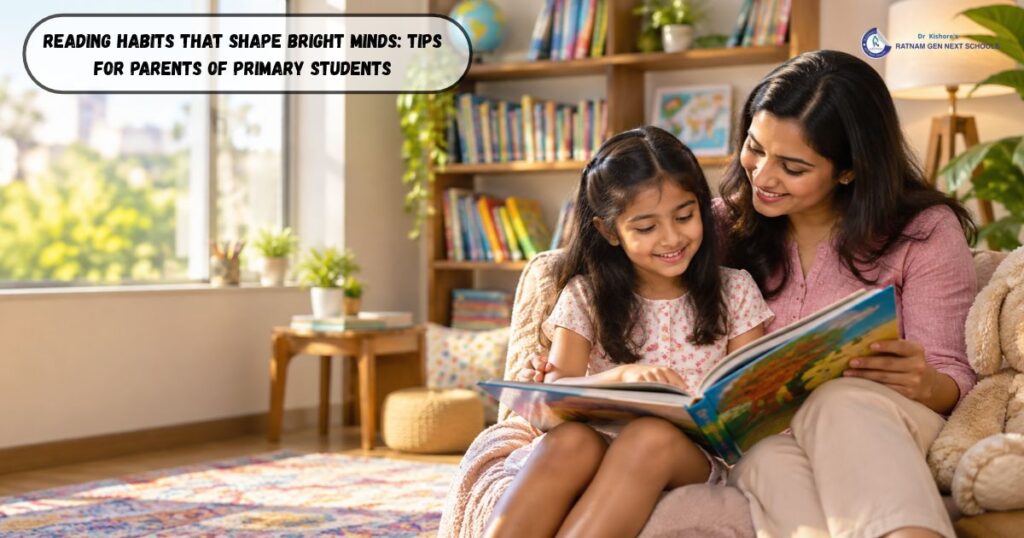
Reading is one of the first activities that children engage in once enrolled in school, yet reading serves more of a purpose than simply being a class activity. An early start in developing good reading habits in a child makes it easy for them to learn new words, comprehend lessons, communicate and explore their surroundings.
For primary school children, reading should not feel like another tough activity to handle in school. Reading should be made interesting and should give them the opportunity to encounter stories, meet people, visit places and encounter ideas. The role of parents cannot be ignored in making reading an activity of daily routine.
Why Reading Is Important for Primary Students
Children learn about the world in many ways and books are one of the simplest ways to introduce them to new ideas. Reading helps to build language and make communication easier for the children.
Reading helps children to:
- Learn new words
- Gain understanding
- Develop concentration
- Express themselves
- Become more curious
- Feel more confident
Reading also gives children an opportunity to think about what they see and hear. A simple story can teach them about friendship, kindness, courage, sharing and other important values.
Start With Books Your Child Enjoys
One of the easiest ways to develop good Reading habits is to let children choose books they enjoy. Not every child likes the same type of story.
Some children may enjoy:
- Animal stories
- Fairy tales
- Adventure books
- Science books
- Comics
- Picture books
- Stories about real people
Parents do not need to force children to read difficult books. The goal at the beginning is to make reading enjoyable. When children enjoy what they are reading, they are more likely to pick up a book again.
Create a Simple Daily Reading Routine
Children learn through routines. Setting aside a small amount of time for reading every day can slowly turn it into a natural habit.
Parents can choose a time that works for the family. It could be:
- After school
- Before bedtime
- After dinner
- During the weekend
Even 15 to 20 minutes of reading can give children regular practice. The important thing is to make the routine comfortable instead of treating it as a punishment or extra homework.
Read Together With Your Child
Parents do not always have to ask children to read alone. Reading together can make the experience more interesting.
Parents can ask questions like:
- What was the story all about?
- Whom did you like in the story?
- Why did the character do that?
- What would happen next?
These questions will make the kids think about the story rather than just reading the story.
Make a Small Reading Corner at Home
A special reading space can make books more attractive to children. It does not need to be expensive or large.
A small corner with a comfortable chair, a few books and good lighting can be enough. Keep books where children can easily see and reach them.
You can also change the books every few weeks. This gives children something new to look forward to and keeps their interest alive.
Help Children Understand What They Read
Reading quickly is not the main goal. Children should also understand what they are reading.
If your child comes across an unfamiliar word, explain it in simple language. Ask them to tell you what a paragraph or story means in their own words.
This helps improve comprehension and teaches children that reading is about understanding ideas, not just saying words aloud.
Limit Distractions During Reading Time
Television, mobile phones, video games and other distractions can make it difficult for children to focus on a book.
During reading time, try to keep distractions away. Parents can also put their own phones aside and read with their children.
When children see adults reading, they understand that reading is a normal and valuable part of everyday life.
How Schools Can Encourage Reading Habits
Schools can make reading more interesting by giving children opportunities to use their skills in different ways. Dr. Kishore’s Ratnam Schools encourages activities that help students enjoy reading while building their language and communication skills.
Some useful activities include:
- Storytelling sessions
- Library periods
- Reading aloud
- Book discussions
- Picture-based storytelling
- Reading competitions
- Group reading
- Simple writing activities
These activities allow children to practise reading while also developing speaking, listening, and thinking skills.
A child who gets regular opportunities to read and talk about books may gradually become more confident in using language.
Conclusion
Good Reading can influence the way that children learn, communicate, and think. If children read often, they will have more chances to increase their vocabulary, gain different ideas, learn how to concentrate and feel confident.
This can be done by parents by making a simple reading routine for children, providing them with good books, and reading to them. This can also be done by schools using libraries, storytelling and other learning activities.
Whether a child is beginning their journey at a pre primary school in Nellore, a pre primary school in Srikalahasti or another early learning environment, developing a positive relationship with books can give them a strong foundation for future learning.
Frequently Asked Questions
How long should primary students read every day?
There is no fixed amount of time for every child. Starting with 15 to 20 minutes each day is a simple way to build a routine. The time can increase as the child’s interest and reading ability grow.
What should I do if my child does not like reading?
Start with topics your child already enjoys. Picture books, comics, short stories or books about animals and hobbies can make reading more appealing.
Should parents read aloud to older children?
Yes. Reading aloud can still be useful for older children. It can introduce them to stories and vocabulary that may be slightly above their independent reading level.
Is reading only useful for language subjects?
No. Reading supports learning in almost every subject. Students need to understand questions, instructions, problems and information in subjects such as science, mathematics and social studies.
How can schools help children enjoy reading?
Schools can provide libraries, storytelling sessions, group reading, book discussions and other activities. These experiences can make reading more social and enjoyable.