


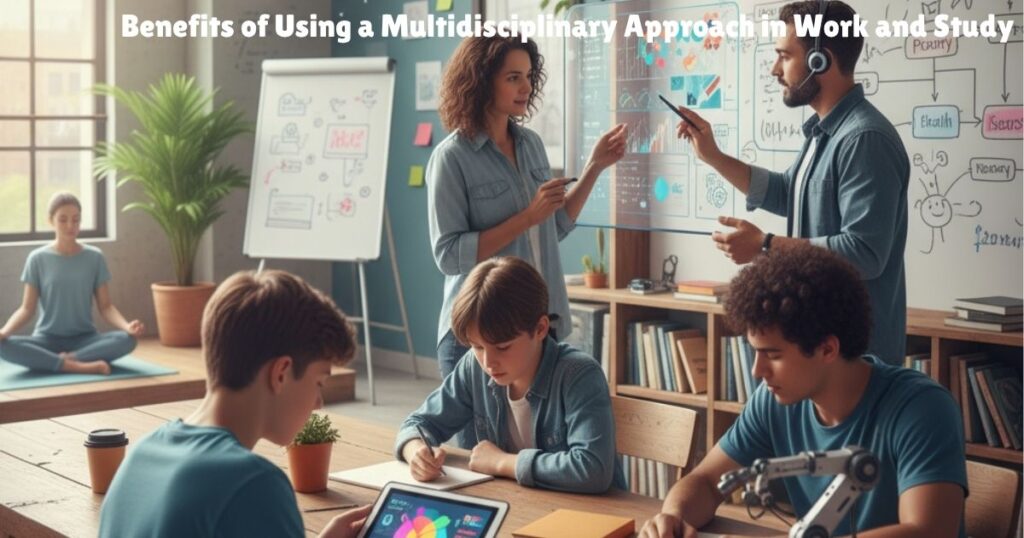
Learning and working are no longer about staying within one subject or skill. The world today rewards curiosity, flexibility, and the ability to connect ideas across fields. Therefore, one approach that is gaining widespread attention is the multidisciplinary approach.
This approach combines knowledge and methods from different areas, such as science, art, literature, technology, and more. This helps to create a deeper understanding of problems and better solutions. Let’s look at why it matters and how it benefits both students and professionals.
What Is a Multidisciplinary Approach?
A multidisciplinary approach simply means using ideas from more than one discipline to solve a problem or learn something new.
Instead of learning each subject in isolation. This approach encourages students or professionals to find links between them. A science student might use art to visualize data. A manager might draw on psychology to lead a team better. The point is that knowledge doesn’t exist in silos, and neither should learning.
This way of thinking develops flexible minds that can adapt, create, and innovate.
Why It Matters in Education
Schools that embrace the interdisciplinary approach help students grow into independent and creative thinkers. Here’s how:
1. Builds Independent Thinking
When children are exposed to multiple subjects at once, they start connecting the dots themselves. They learn to question, analyze, and explore answers beyond textbooks.
Many students are encouraged to form their own ideas instead of memorizing information. This helps them grow into confident problem solvers. You can explore how the school nurtures independent thinking here.
2. Enhances Creativity Through Literary Activities
Creativity thrives when ideas from different fields meet. Therefore, literary activities play such a vital role in developing imagination and expression.
Writing stories, analyzing poems, or participating in debates helps students think from different perspectives and express their thoughts better.
Many school integrates these activities into the curriculum, helping students communicate with clarity and confidence. Learn more about their engaging programs here.
3. Strengthens Problem-Solving Skills
Real-life problems rarely fit into one category. A student might need math, science, and social awareness to understand a single issue.
With a multidisciplinary approach, learners are trained to apply insights from various subjects to create practical solutions. They learn not just what to think, but how to think, which is a far more valuable skill.
4. Promotes Mindfulness and Emotional Balance
Education is not only about academics. Emotional well-being is just as important. By pairing mindfulness practices with academics, students develop focus, calmness, and emotional awareness. It essential quality for lifelong success.
Dr. Kishore’s Ratnam School includes mindfulness exercises in its daily schedule to help students stay balanced and engaged. Learn more here.
How It Benefits the Workplace
The interdisciplinary approach doesn’t stop at school. It is just as powerful in the professional world. Here’s how it benefits organizations and individuals:
1. Sparks Innovation
When teams with different backgrounds work together, engineers, designers, and marketers. They blend their expertise to come up with creative solutions. Innovation happens when different viewpoints meet.
2. Improves Collaboration
Modern workplaces depend on teamwork. A multidisciplinary approach encourages open communication between departments. Employees learn to understand and appreciate different perspectives, making collaboration smoother and more effective.
3. Expands Career Flexibility
The more fields you understand, the more doors open. A developer who knows design or a manager who understands tech can move fluidly between roles. This adaptability gives professionals a strong edge in any career.
How to Apply a Multidisciplinary Approach
Whether in a classroom or an office, the concept works best when it is practical. Here are some ways to put it into action:
- Cross-disciplinary projects: Combine knowledge from multiple subjects. For example, merge science and art for a creative experiment or bring business and psychology together in a team project.
- Participate in diverse activities: Students can join literary activities, while professionals can attend workshops beyond their usual domain.
- Encourage independent thought: Ask open-ended questions. Let students explore multiple answers. Explore effective techniques for fostering independent thinking here.
- Add mindfulness to learning or work: Reflection enhances focus and creativity. Children can benefit from mindfulness for kids programs here, while adults can practice brief mindful breaks at work.
Choosing the Right Environment
For students, belonging to a school that fosters cross-disciplinary learning truly makes a difference.
Dr. Kishore’s Ratnam School, which is regarded as one of the best schools in Tirupati, integrates academics, art, mindfulness, and creative programs flawlessly. This means every child learns to think, express, and remain emotionally rooted.
The same holds true for workplaces; diverse-thinking teams typically perform better than those that remain stuck within one mode of thinking.
Why This Approach Shapes the Future
The multidisciplinary method imparts a crucial lesson: that all things are interconnected.
Learning to relate art and logic, creativity and facts, and mindfulness and performance, individuals become more effective learners, professionals, and thinkers.
It also develops empathy, communication skills, and curiosity skills that are vital in the current connected world.
Final Thoughts
Whether you are in school or at work, the interdisciplinary approach can completely change how you think, learn, and create.
It encourages curiosity, enhances problem-solving, and keeps you balanced, mentally and emotionally. Courses that integrate literary exercises, mindfulness for kids, and independent thinking classes create students not only intelligent but also self-aware and adaptable.Dr. Kishore’s Ratnam School, the best school in Tirupati, continues to lead this vision, equipping students to face the challenges of tomorrow with imagination, confidence, and empathy.